RETURN
18.01.2021
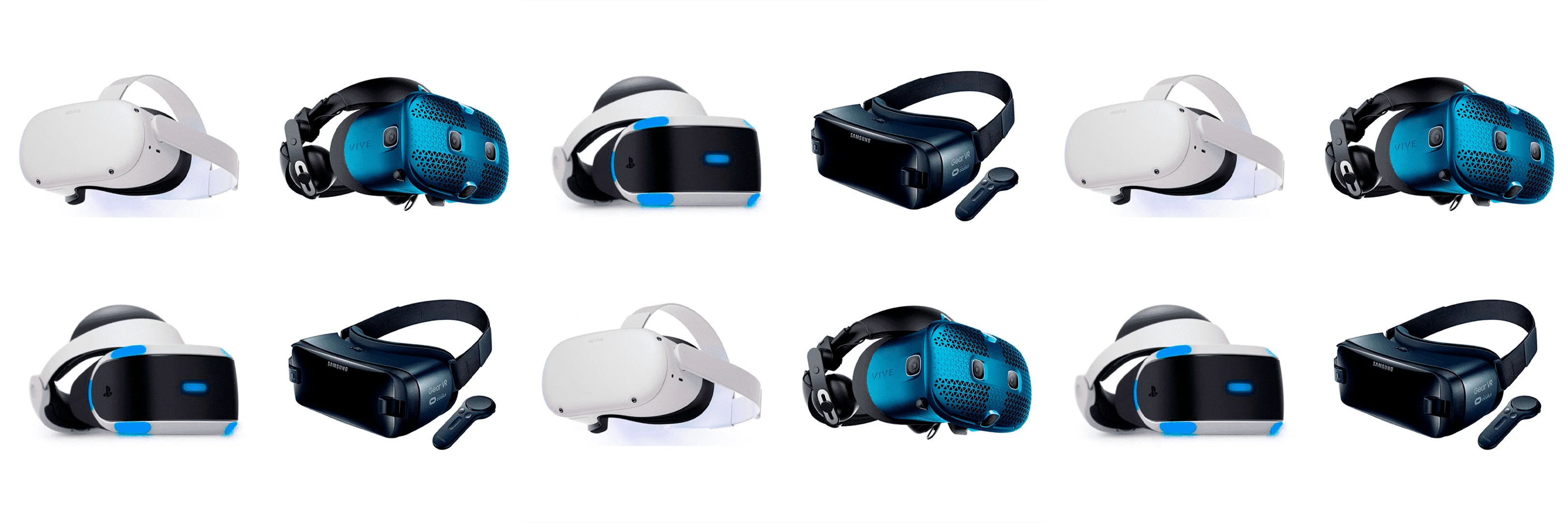
TYPES OF VR DEVICES | What are the types of Virtual Reality glasses that exist?

HIPEREXPERIENCIA
LOADED


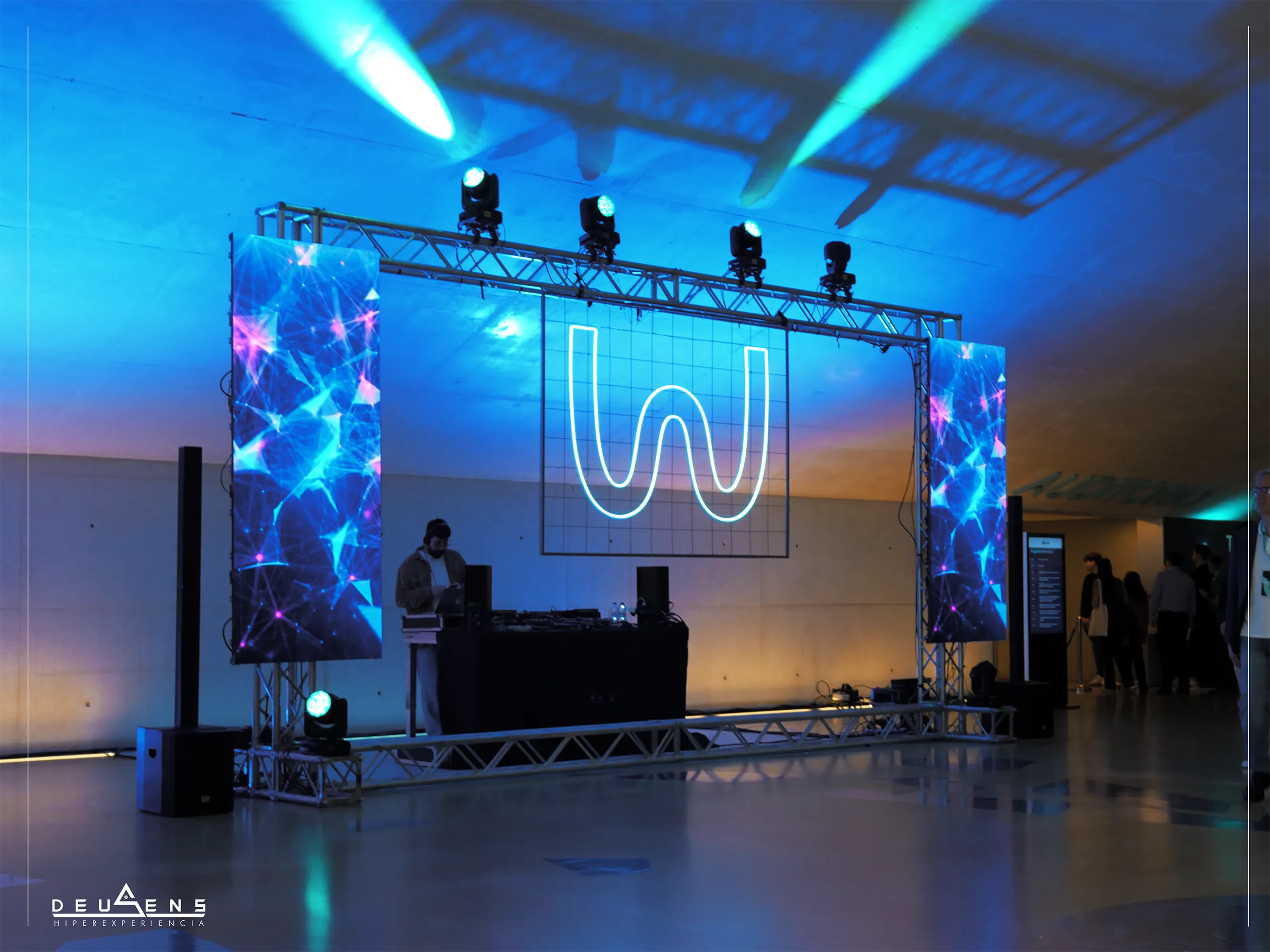
Three stages. Thirty minutes. The same DNA. DeuSens landed at The Wave Tech Congress 2026 with one clear idea: the future of brands is no longer built on screens, but through experiences people actually remember.
For two days, Zaragoza became the meeting point for everyone rewriting the rules of marketing, tourism and entertainment. The Wave Tech Congress 2026 brought together hundreds of professionals to share the same question: how do you connect with an audience that no longer draws a line between the physical and the digital?
DeuSens attended as a sponsor, with its own stand and — most importantly — with something to say. While attendees wandered the venue between demos, activations and conversations, the team was preparing three parallel interventions, each tailored to a different audience but all sharing the same thread: Hyperexperience as the new standard for the relationship between brands and people.
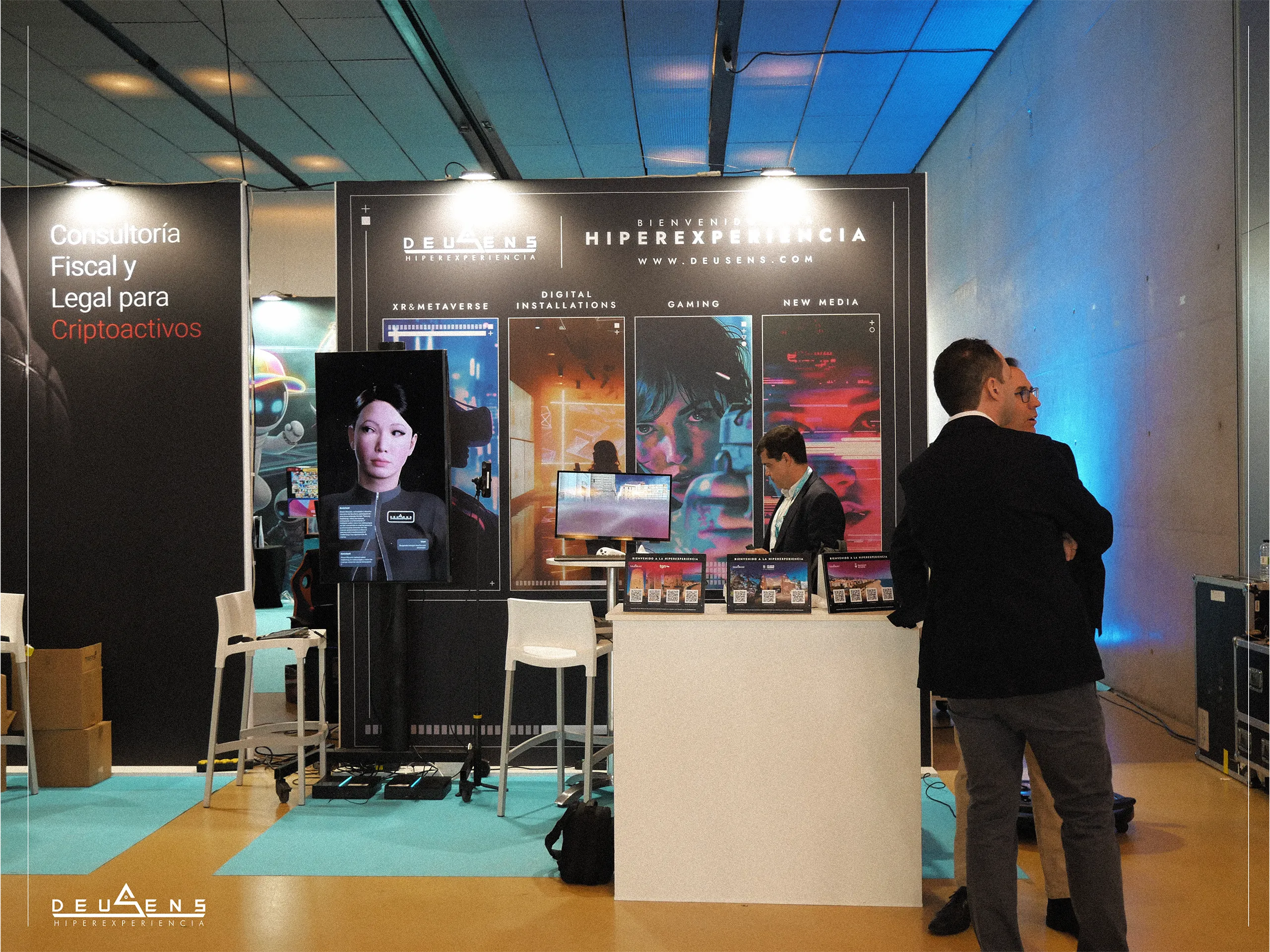
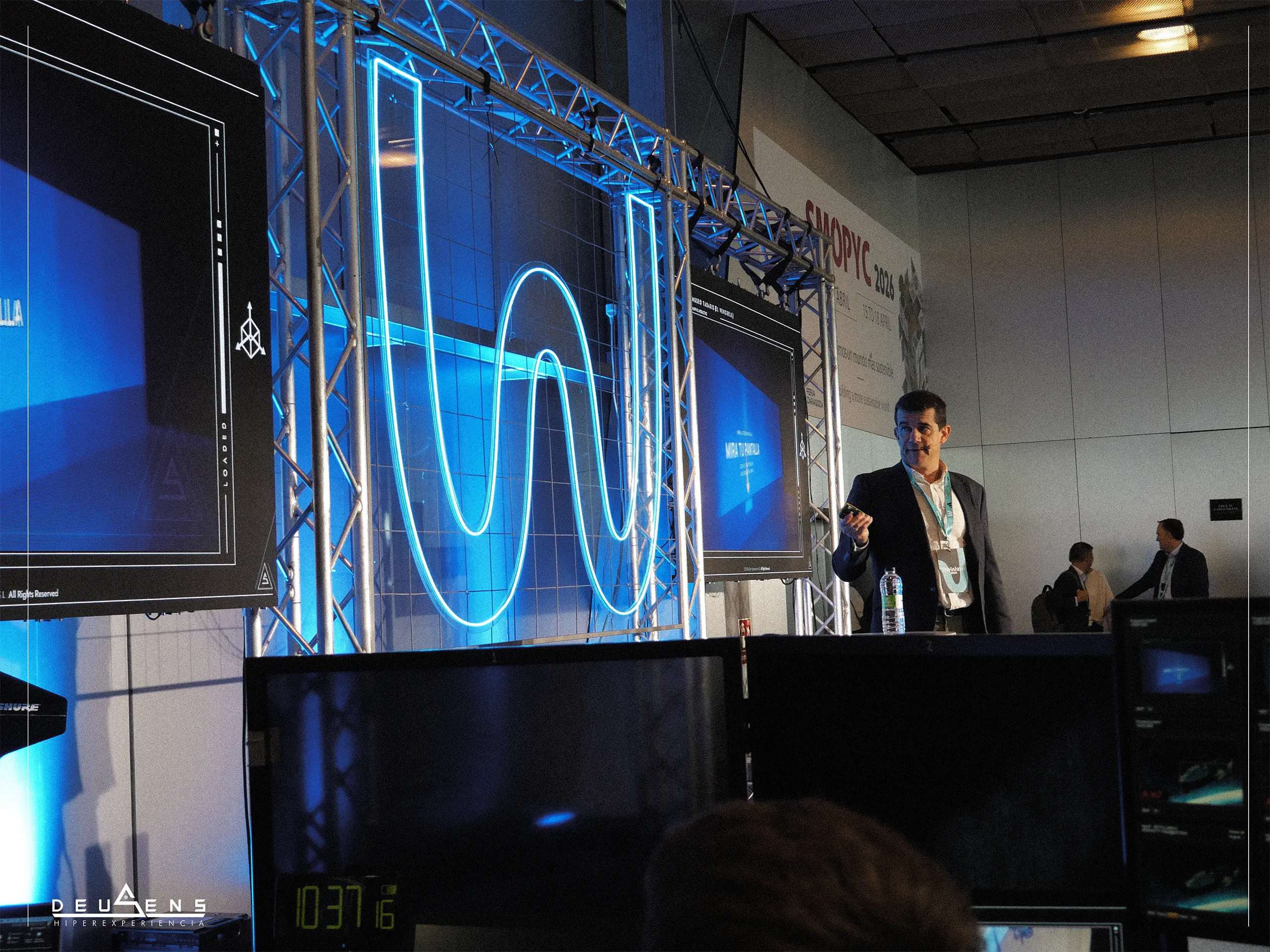
At 10:25, on the Expo Horizon stage, Francisco Javier Alonso Peña opened the day with “The future of tourism is technological”. A talk focused on how Extended Reality is reshaping the way we visit monuments, cities and landscapes — from centuries-old heritage to urban trails that come to life through a phone. Projects like those developed for the Royal Monastery of San Juan de la Peña or Roman Tarragona in AR are proof that technology, well applied, multiplies cultural value rather than replacing it.
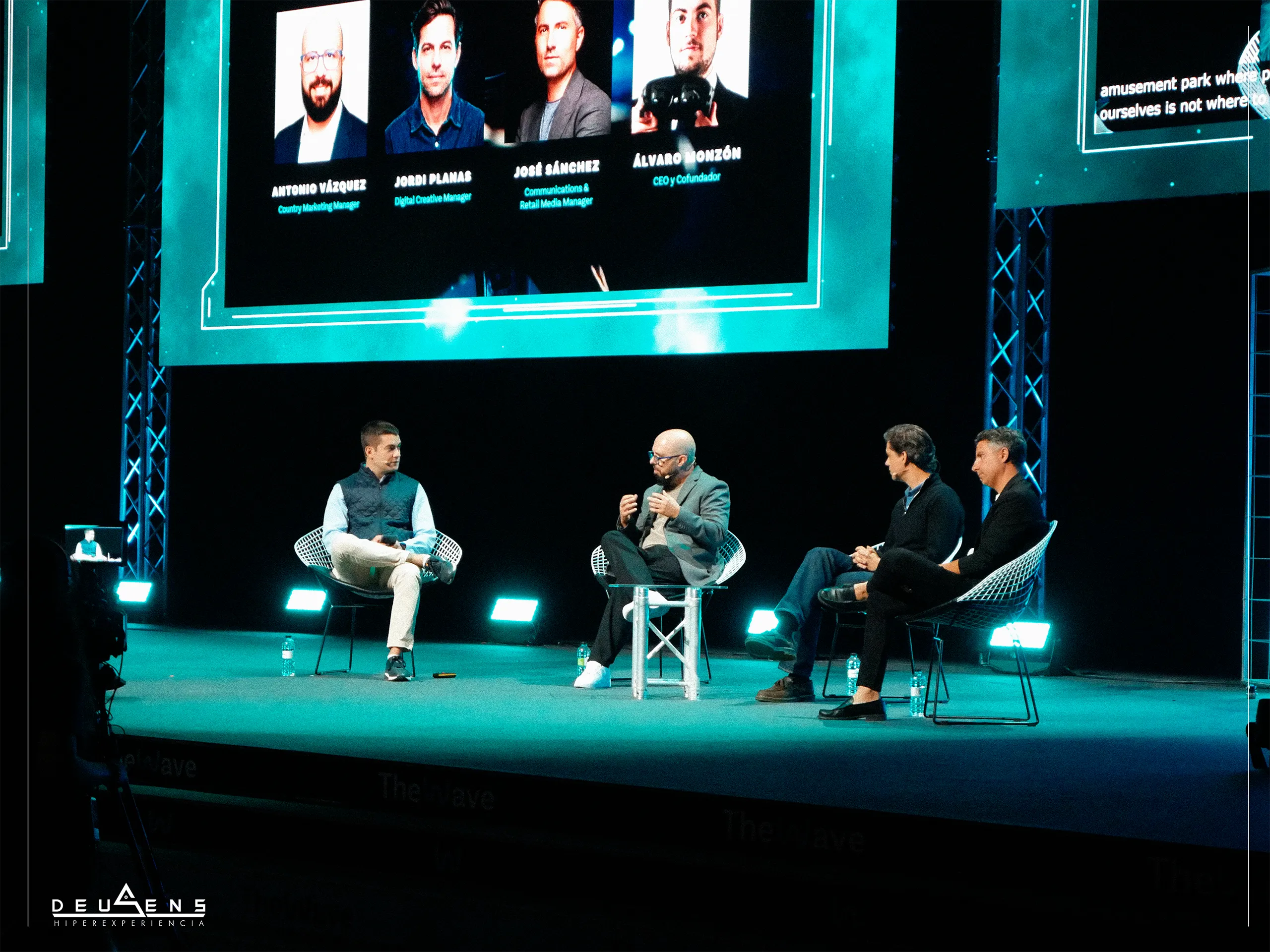
Twenty minutes later, on Planet Zero, one of the most anticipated conversations of the congress got underway: the round table “Gaming marketing: how brands win over Generation Z”, moderated by Álvaro Monzón Blanco, with three heavyweight voices from the industry — Antonio Vázquez Villoria (G2A.COM), Jordi Planas (SOMOS Experiences) and José Sánchez Montero (Fnac).
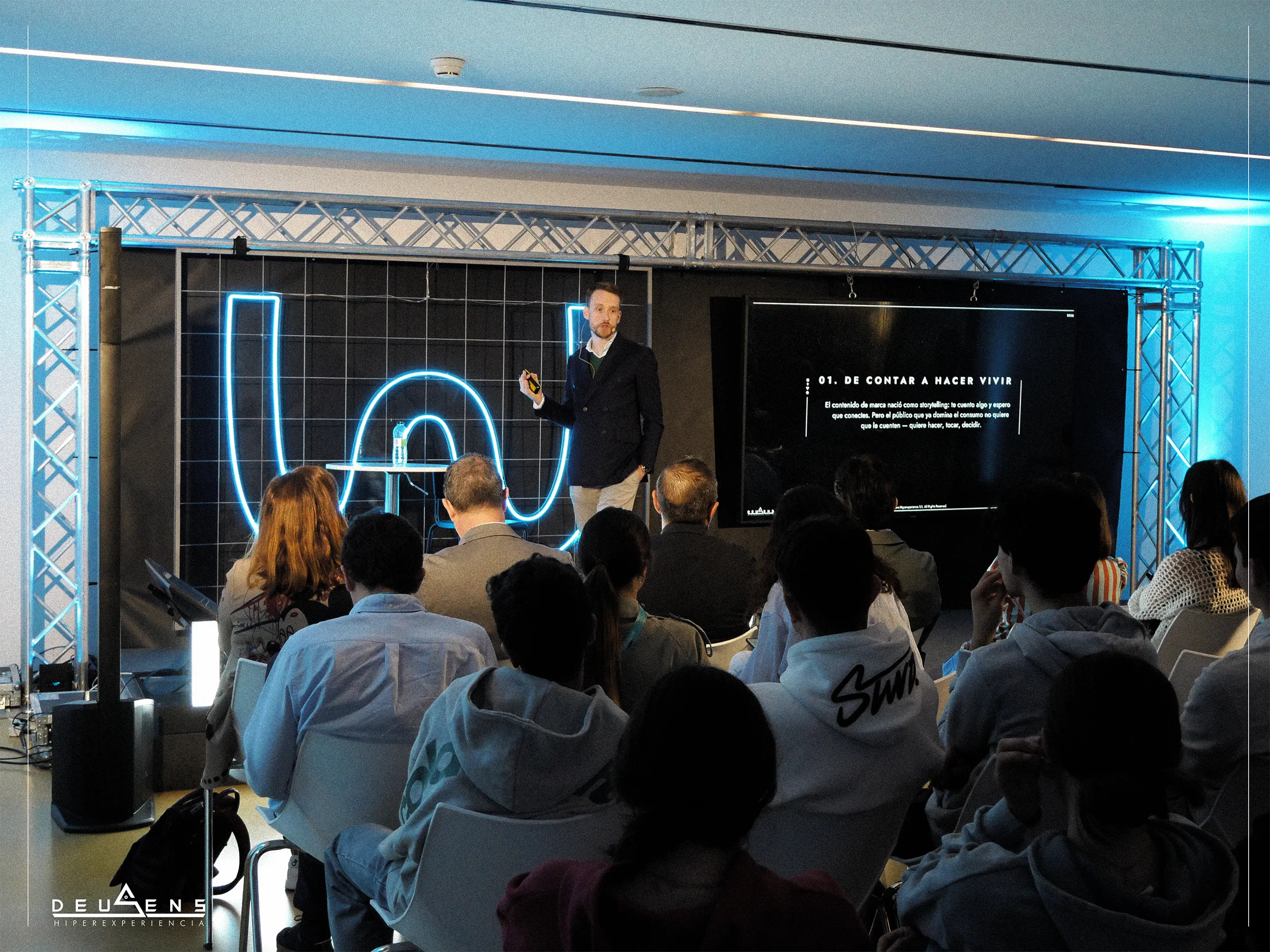
And at 10:55, closing out the triple act, Álvaro Antoñanzas took the Lunar Lab stage with “Hyperexperiences: the future of brand content”. A session exploring how the combination of AI and Extended Reality is enabling brand pieces for giants like Coca-Cola, McDonald's, L'Oréal Paris and Audi — not as isolated campaigns, but as experiential ecosystems that people actively want to live and share.
The Planet Zero round table became the space where the questions every marketing director should be asking right now finally landed on the table. There were no easy answers — and that's precisely what made the debate so valuable.
From logo to territory. G2A has been in the gaming ecosystem for over a decade, with more than 12 million euros invested in esports and ongoing work with thousands of creators. The first big question hit the old model head-on: what has changed in how brands approach gaming? Because slapping a logo onto a team jersey isn't marketing anymore — it's decoration. What this audience demands is cultural presence, not advertising visibility.
Physical or digital — or both. The second thread focused on when it makes sense for a brand to invest in a Fortnite map or a streaming sponsorship, and when it's worth going back to in-person. The implicit conclusion: it's not “or” but “and”. And the most common mistake remains the same — arriving without understanding the culture of the territory you're entering.
Gamification with purpose. SOMOS Experiences has spent years showing that play at events isn't a decoration: it's the most effective vehicle for transferring knowledge and making audiences retain what they've lived. In a context where the traditional keynote no longer cuts it, competition as the narrative thread becomes the real experiential design challenge.
FNAC in Fortnite: when authenticity is the metric. The most talked-about case was FNAC's, which celebrated its 30 years in Spain by entering Fortnite with a gamified parkour through its store sections. A brand with such a consolidated cultural identity — books, music, tech — entering a video game with 240 million monthly players without feeling like forced product placement. That, precisely, was the underlying theme: how do you earn authenticity in a new territory?
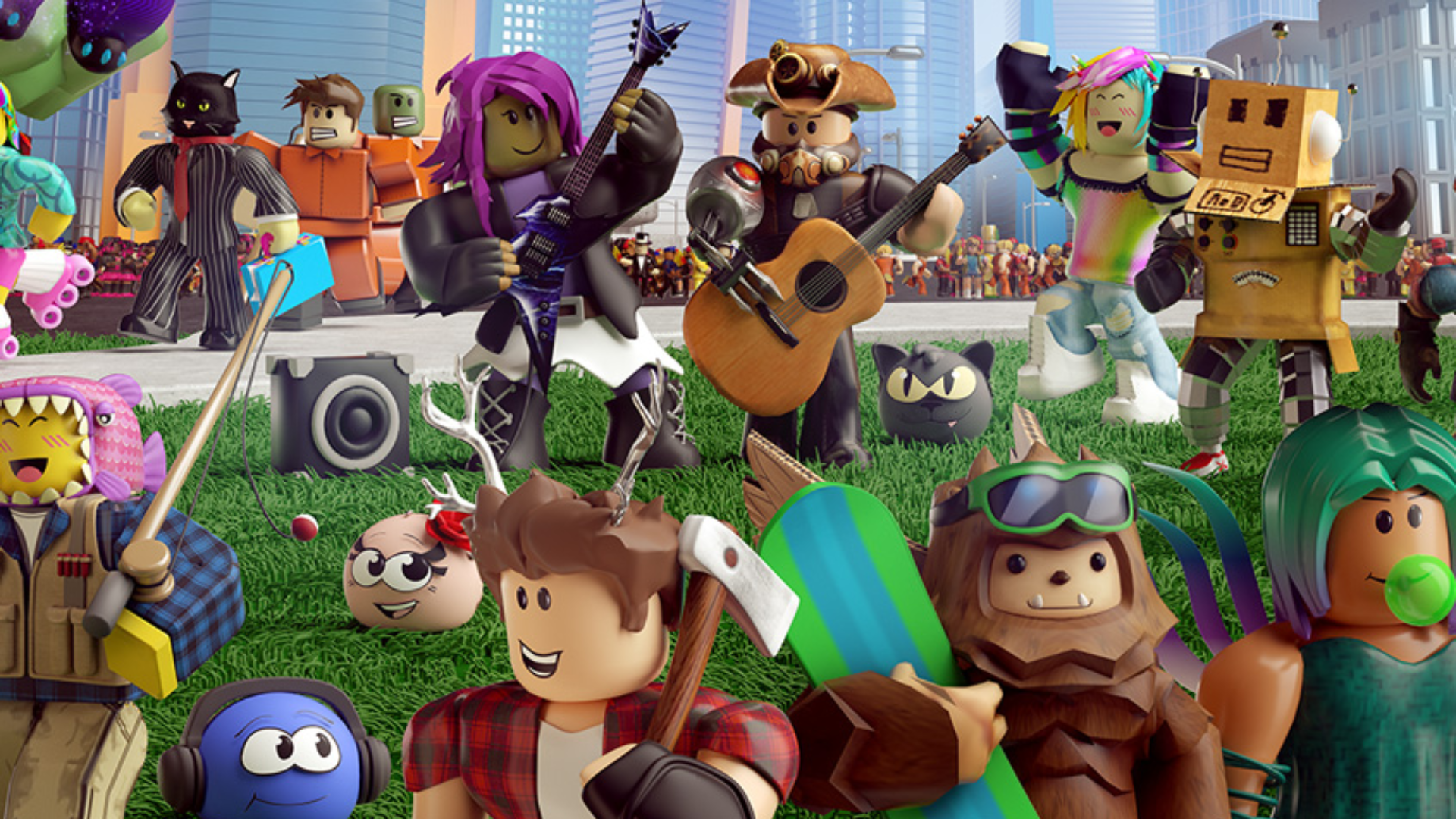
And the big open question. In 2026, Generation Z is already the largest spending audience in gaming, and platforms like Fortnite or Roblox work more as social spaces than as video games. What's the next move for brands? The panel left the question hanging in the air — and that, probably, is the best summary of the moment the industry is living through.
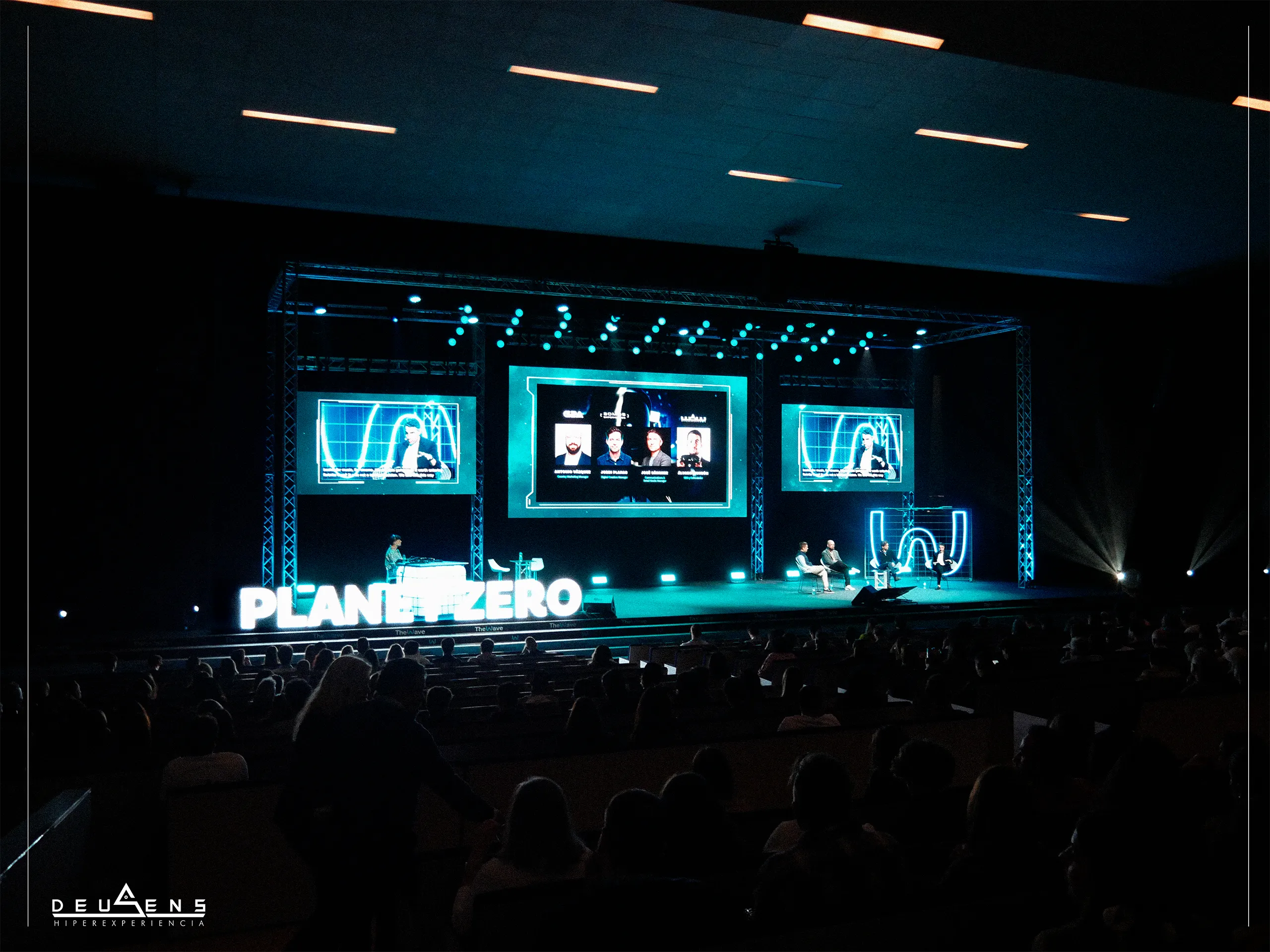
And also precisely where DeuSens comes in: turning those questions into tangible projects. The Almarai Land map in Fortnite is a recent example of how a brand can inhabit these spaces without losing its identity.
We came back from Zaragoza with three certainties. First, that tourism, gaming and brand content are converging into a single language — the language of experience you don't explain, you live. Second, that Generation Z doesn't expect brands to talk to them: they expect brands to do something with them. And third, that the role of companies like DeuSens is precisely that — to build the spaces where that can happen.
The Wave reminded us, once again, that the conversation about technology and brands is no longer about tools. It's about purpose, culture and the ability to create experiences people choose to live. And on that terrain, we feel right at home.
SIMILAR CONTENT